

Cancer is a generic term for a large group of diseases that can affect any part of the body. Other terms used are malignant tumours and neoplasms. One defining feature of cancer is the rapid creation of abnormal cells that grow beyond their usual boundaries, and which can then invade adjoining parts of the body and spread to other organs, the latter process is referred to as metastasizing. Metastases are a major cause of death from cancer.
The problem
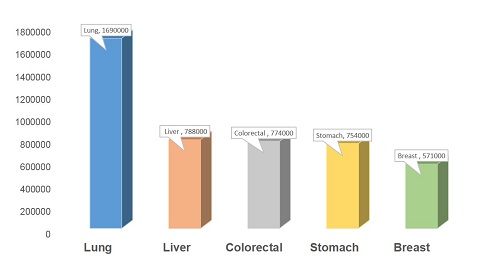
Cancer is a leading cause of death worldwide, accounting for 8.8 million deaths in 2015. The most common causes of cancer death are cancers below.
What causes cancer?
Cancer arises from the transformation of normal cells into tumour cells in a multistage process that generally progresses from a pre-cancerous lesion to a malignant tumour. These changes are the result of the interaction between a person's genetic factors and 3 categories of external agents as follows.
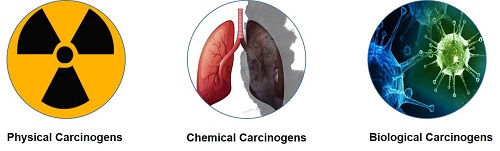
WHO, through its cancer research agency, International Agency for Research on Cancer (IARC), maintains a classification of cancer-causing agents.
Ageing is another fundamental factor for the development of cancer. The incidence of cancer rises dramatically with age, most likely due to a build-up of risks for specific cancers that increase with age. The overall risk accumulation is combined with the tendency for cellular repair mechanisms to be less effective as a person grows older.
Reducing the cancer burden
Between 30–50% of cancers can currently be prevented by avoiding risk factors and implementing existing evidence-based prevention strategies. The cancer burden can also be reduced through early detection of cancer and management of patients who develop cancer. Many cancers have a high chance of cure if diagnosed early and treated adequately.
Modify and avoid risk factors
Modifying or avoiding key risk factors can significantly reduce the burden of cancer. These risk factors include:
 tobacco use including cigarettes and
smokeless tobacco
tobacco use including cigarettes and
smokeless tobacco
being overweight or obese
unhealthy diet with low fruit and
vegetable intake
lack of physical activity
alcohol use
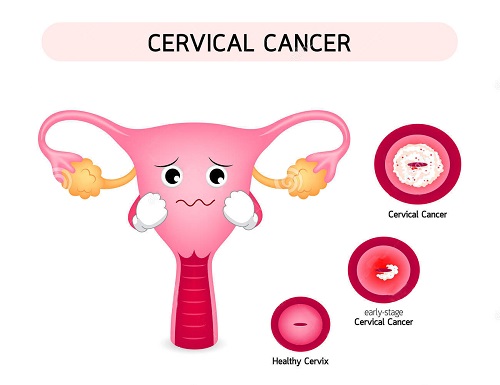
sexually transmitted HPV-infection
infection by hepatitis or other
carcinogenic infections
ionizing and ultraviolet radiation
urban air pollution
indoor smoke from household use of solid
fuels.
Tobacco use is the single most important risk factor for cancer and is responsible for approximately 22% of cancer-related deaths globally.
Pursue prevention strategies
To prevent cancer, people may:
· increase avoidance of the risk factors
listed above;
· vaccinate against HPV and hepatitis B
virus;
· control occupational hazards;
· reduce exposure to ultraviolet
radiation;
· reduce exposure to ionizing radiation
(occupational or medical diagnostic imaging).
Vaccination against these HPV and hepatitis B viruses could prevent 1 million cancer cases each year.

