

Cytokines are small, soluble proteins and glycoproteins that function as the principal messengers of the immune system, mediating communication among T cells, macrophages, and other immune cells during immune and inflammatory responses. Produced de novo upon cellular activation, these short-lived mediators act through specific high-affinity cell-surface receptors and orchestrate the growth, differentiation, activation, and effector function of immune cells through pleiotropic and redundant signaling networks. The dynamic balance between pro-inflammatory and anti-inflammatory cytokines is critical for immune homeostasis, whereas dysregulation of this network underlies a broad spectrum of pathological conditions, including autoimmune diseases, chronic inflammation, cancer, and cytokine storms. Understanding the molecular properties, functional families, and signaling mechanisms of cytokines is therefore fundamental to both basic immunology and clinical medicine.
This review article provides a systematic overview of the cytokine system, addressing what are cytokines and what do cytokines do in immune regulation. It first summarizes the general characteristics of cytokines and their major classes, including interleukins, chemokines, interferons, and tumor necrosis factors, and then examines the roles of cytokines in T cell activation and differentiation, in chemokine-mediated immune cell migration, and in the cytokine networks of the tumor microenvironment. Emerging roles of cytokines in immunometabolism and cellular function are also discussed. Finally, practical strategies for cytokine measurement, including the enzyme-linked immunosorbent assay (ELISA), multiplex cytokine assay, and intracellular cytokine staining, are introduced to help researchers select appropriate detection tools for their studies.
Table of Contents
1. Overview of cytokines and their roles in immune regulation
2. Major classes of cytokines: interleukins, chemokines, interferons, and tumor necrosis factors
3. Cytokines in T cell activation, differentiation, and immune responses
4. Chemokines and cytokine-mediated immune cell migration
5. Cytokine networks in the tumor microenvironment
6. Emerging roles of cytokines in immunometabolism and cellular function
01 Overview of cytokines and their roles in immune regulation
What are cytokines? Cytokines are small, soluble proteins and glycoproteins (generally less than 40 kDa) that serve as the principal intercellular messengers of the immune system, mediating communication among T cells, macrophages, and other immune cells during immune and inflammatory responses[1,2]. Unlike constitutively secreted mediators, most cytokines are synthesized de novo upon cellular activation, with short-lived transcripts (half-lives of approximately 10 to 30 minutes) that give rise to rapid, transient bursts of secretion[1,2]. Once released, cytokines act by binding to specific high-affinity cell-surface receptors (dissociation constants of 10-10 to 10-12 M), enabling biological activity at picomolar concentrations, and they operate predominantly in a paracrine or autocrine manner, although endocrine effects also occur[1,2]. A defining feature of the cytokine system is its functional pleiotropism and redundancy: a single cytokine can exert distinct effects on different target cells, whereas different cytokines can display overlapping or synergistic activities[1,3]. Cytokines also regulate one another's synthesis, frequently in an antagonistic fashion, generating cascades and feedback loops that constitute a finely tuned regulatory network governing cell growth, differentiation, activation, and effector function[1,3]. This network orchestrates innate and adaptive immunity, inflammation, hematopoiesis, and tissue repair, and it is essential for maintaining the dynamic equilibrium between pro-inflammatory and anti-inflammatory signals[3-5]. The major cytokine families include interleukins, chemokines, interferons, tumor necrosis factors, colony-stimulating factors, and growth factors, which together coordinate the recruitment, activation, proliferation, and differentiation of leukocytes at sites of infection and injury[1,5]. In the central nervous system, for example, cytokines produced by activated lymphocytes and macrophages modulate the growth and function of microglia and macroglia, illustrating their broad tissue-specific roles[4]. Dysregulation of these pathways underlies autoimmune diseases, chronic inflammatory conditions, and cytokine storms, highlighting why understanding what are cytokines and how they signal is central to both basic immunology and clinical medicine[3,5,6].
02 Major classes of cytokines: interleukins, chemokines, interferons, and tumor necrosis factors
Beyond their shared identity as small secreted signaling proteins, cytokines are organized into structurally and functionally distinct families that determine what do cytokines do in different phases of the immune response[7]. Interleukins (ILs) constitute the largest and most diverse group, with more than 30 members (IL-1 to IL-38) that regulate lymphocyte growth, activation, and effector functions; for example, IL-2 drives T cell proliferation, IL-4 and IL-13 promote type 2 humoral responses, and IL-6 supports B cell differentiation and acute-phase responses[7,8]. Chemokines are a specialized family of chemoattractant cytokines that direct leukocyte migration and positioning by signaling through G protein-coupled receptors, thereby controlling immune cell trafficking and the cellular architecture of lymphoid organs[7]. Interferons (IFNs) are classified into type I (IFN-alpha/beta), type II (IFN-gamma), and type III families; IFN-gamma is the hallmark cytokine of Th1-type cellular immunity, whereas type I interferons mediate antiviral defense and activate innate immune cells[7,8]. Tumor necrosis factor (TNF) comprises TNF-alpha and TNF-beta, which signal through shared receptors and elicit pleiotropic effects including fever, shock, tissue injury, apoptosis, and the activation of endothelial cells and macrophages[8,9]. Beyond these four principal classes, transforming growth factor-beta and colony-stimulating factors further expand the functional repertoire of the cytokine network[7,8]. The biologic activity of each family is shaped not only by the ligand but also by the cytokine receptor system: cytokine receptors are frequently shared among family members, and their differential expression on target cells determines which responses are elicited[7,8]. Because these families act in concert, the net outcome of an immune response is dictated by the balance between pro-inflammatory cytokines such as IL-1, IL-6, TNF-alpha, and IFN-gamma and anti-inflammatory mediators such as IL-10 and transforming growth factor-beta (TGF-β)[8,9]. Understanding these functional classes, including their receptors, intracellular signaling cascades, and roles in health and disease, is fundamental to interpreting immune regulation and to the rational design of cytokine-targeted therapies for inflammatory and autoimmune disorders[7-9].
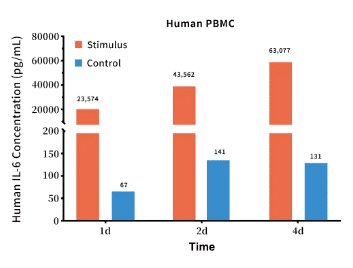
Fig. 1 The presentation of cytokine assay data.Human PBMC stimulated with LPS. (The data are provided by Elabscience®)
03 Cytokines in T cell activation, differentiation, and immune responses
T cell activation, differentiation, and effector function are governed by a coordinated network of cytokines that provides both instructive and modulatory signals[10,11]. Upon T cell receptor (TCR) engagement, naive CD4+ T cells require three signals for full activation: antigen recognition, costimulation, and an inflammatory cytokine "third signal"[12]. IL-12 and type I interferons serve as the major sources of this third signal for CD8+ T cells, driving a common regulatory program involving altered expression of hundreds of genes and chromatin remodeling, whereas IL-1 can provide analogous signals for CD4+ T cells[12]. Cytokines then dictate lineage commitment: IL-12 and IFN-gamma induce T-bet and Th1 differentiation, IL-4 activates signal transducer and activator of transcription (STAT) 6 and GATA-3 to promote Th2 commitment, TGF-beta combined with IL-6 drives Th17 development via RORγt, and IL-2 together with TGF-beta supports regulatory T cell (Treg) induction[10,11,13,14]. These differentiation programs are orchestrated by cytokine-induced transcription factors such as STAT4 and STAT6, which cooperate with antigen-induced factors like NFAT to establish and maintain subset-specific gene expression[13,15]. The magnitude and polarity of these responses are additionally tuned by chemokines, which can influence T cell differentiation through G protein-coupled receptor signaling, and by intracellular negative regulators such as the suppressors of cytokine signaling (SOCS) family, which attenuate cytokine signals that control CD4+ polarization and CD8+ memory maturation[11,16,17]. Cytokines also sustain T cell homeostasis and memory: IL-7 maintains naive and memory T cell survival, while IL-2 and IL-15 support effector expansion and memory formation[10]. In follicular helper T cells, IL-21 and IL-4 are central to germinal center reactions, driving B cell differentiation, affinity maturation, and plasma cell development[18]. Given the central role of these pathways in protective immunity, autoimmunity, and anti-tumor responses, quantitative detection of the cytokines involved, for example by cytokine elisa assay, is indispensable for monitoring T cell-mediated immune responses in both research and clinical settings[10,18].
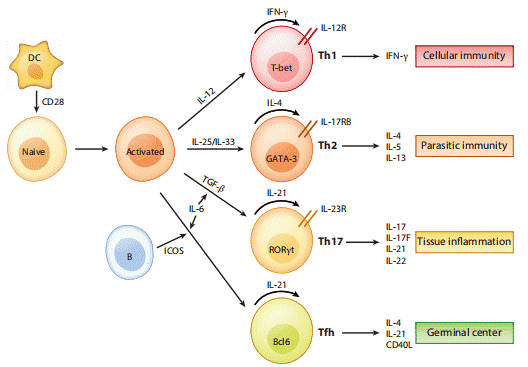
Fig. 2 Development of Th subsets. In the presence of distinct antigen-presenting cells and innate cytokines, naive CD4+ T cells differentiate into effector Th cells that are characterized by their expression of distinct cytokines and transcription factors. These cells have differential immune functions. Abbreviations: DC, dendritic cell; RORγt, RAR-related orphan receptor gamma; Tfh, T follicular helper; Th, T helper[10].
04 Chemokines and cytokine-mediated immune cell migration
Chemokines, a specialized family of chemoattractant cytokines, control the migratory patterns and positioning of immune cells and are central to both innate and adaptive immunity[19,20]. The chemokine system comprises approximately 50 endogenous ligands and about 20 G protein-coupled seven-transmembrane receptors, and it directs the release of innate immune cells from the bone marrow, their recruitment from the circulation into inflamed tissues, and their guidance to the precise sites of injury or infection[19,20]. In the adaptive immune system, chemokines orchestrate the priming of naive T cells in secondary lymphoid organs, support cell fate decisions such as effector and memory differentiation, and regulate regulatory T cell function[19]. For example, the beta-chemokine macrophage inflammatory protein 1 alpha (MIP-1 alpha) promotes natural killer (NK) cell migration into infected tissues, and studies of murine cytomegalovirus infection have shown that MIP-1 alpha-dependent NK cell accumulation, together with sustained local IFN-gamma production, is required for optimal antiviral defense and for the induction of downstream chemokines such as Mig[21]. Chemokines also play prominent roles in inflammatory and autoimmune diseases: in rheumatoid arthritis, chemokine receptor signaling guides T cell infiltration into the inflamed joint, where chemokine gradients direct both tissue damage and the organization of ectopic lymphoid structures[22]. Because chemokines frequently overlap in receptor usage, the same ligand may be engaged by multiple receptors and vice versa, generating a robust but finely regulated positioning system[19,21]. Beyond their migratory functions, chemokines influence immune cell survival, proliferation, and polarization, thereby coupling cell trafficking to functional differentiation[19,20]. Given the diversity of ligands and receptors involved, simultaneous quantification of multiple chemokines and cytokines in a single sample, for example by multiplex cytokine assay, is a powerful strategy for dissecting the molecular mechanisms of immune cell migration in health and disease[19,22].
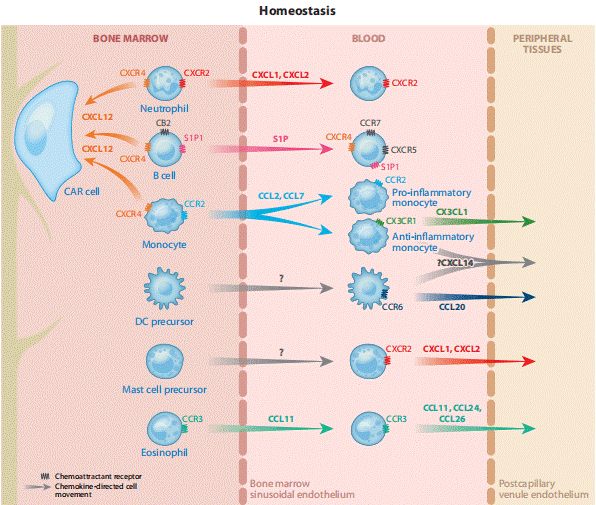
Fig. 3 Chemokines control homeostatic immune cell trafficking between the bone marrow, blood, and peripheral tissues[19].
05 Cytokine networks in the tumor microenvironment
The tumor microenvironment (TME) is a complex tissue comprising tumor cells, cancer-associated fibroblasts, endothelial cells, and infiltrating leukocytes, all of which communicate through dense cytokine and chemokine networks that profoundly shape tumor progression and immune surveillance[23-25]. Cytokines secreted by tumor cells, immune cells, and stromal cells within the TME can either promote anti-tumor immunity or drive tumor growth, metastasis, and immune suppression, depending on the cellular context and the balance of signals[23,24,26]. Pro-inflammatory mediators such as TNF-alpha, IL-6, and IL-8 activate nuclear factor kappa B (NF-κB) and STAT3 signaling, promoting tumor cell survival, proliferation, and angiogenesis, whereas chemokines such as CCL2, CCL3, CCL5, and CXCL1 regulate immune cell recruitment and stromal remodeling, thereby shaping tumor-immune interactions[26,27]. The cytokine network also sustains cancer stem cells: in breast cancer, interactions between cancer stem cells and the microenvironment through cytokine and growth factor networks support self-renewal, metastasis, and treatment resistance[24]. Dendritic cells infiltrating the tumor are regulated by intratumoral cytokines, chemokines, and growth factors, and their functional state, whether immunogenic or tolerogenic, is critically influenced by the local cytokine milieu[25]. Notably, pyroptosis within the TME contributes to remodeling by releasing pro-inflammatory cytokines and sustaining chronic inflammation, which can influence immune escape, angiogenesis, and therapy-related complications such as cytokine release syndrome[23]. Because of this inherent duality, cytokine signaling in the TME has become an attractive target for therapeutic intervention, and several cytokines including IL-12, IL-15, IL-18, and IL-21 have entered clinical trials for advanced cancers[28]. Accurate dissection of these networks requires quantitative approaches that can resolve which cell types produce which cytokines; techniques such as intracellular cytokine staining combined with flow cytometry, and complementary assays for secreted mediators, are therefore essential tools for characterizing cytokine networks in the TME[23,28].
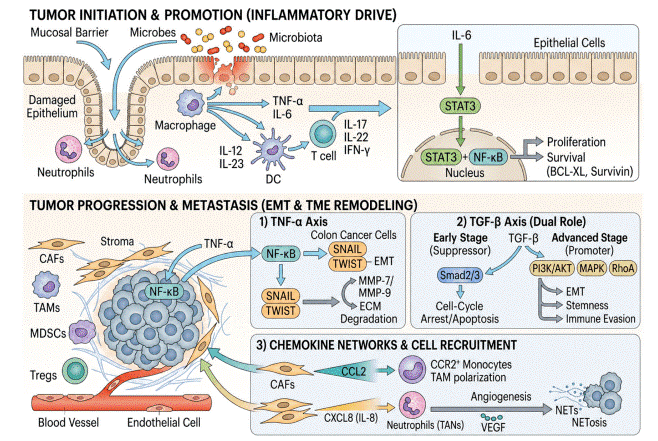
Fig. 4 Cytokine and chemokine networks in colorectal cancer[27].
06 Emerging roles of cytokines in immunometabolism and cellular function
Beyond their classical roles as intercellular messengers, cytokines have emerged as key regulators of immunometabolism, the process by which immune cells reprogram their metabolic pathways upon activation[29,30]. Upon stimulation, immune cells undergo metabolic reprogramming involving shifts among anaerobic glycolysis, oxidative phosphorylation, and metabolite synthesis, and these changes are controlled by complex signaling pathways that also regulate immune cell homeostasis, activation, proliferation, and differentiation[29,30]. The interplay between the PI3K-AKT-mTOR and LKB1-AMPK axes is central to this crosstalk, linking nutrient and energy sensing to immune function, and the highly ordered interaction between immune and metabolic responses is evolutionarily conserved and essential for tissue and organismal health[30,31]. Cytokines and their receptors directly influence these metabolic decisions: macrophage-derived cytokines, for instance, are small soluble factors that not only mediate antimicrobial defense but also shape the metabolic state of the surrounding tissue, while neutrophil-derived cytokines extend beyond their classical degranulation functions to modulate the metabolic environment during inflammation[32,33]. Metabolic flux can in turn dictate immune cell fate, including effector versus regulatory function; in T cells and NK cells, shared metabolic control points such as glucose transport, hypoxia-inducible factors, and mTOR determine the balance between activation, memory formation, and exhaustion[34]. Disruption of the immune-metabolic interface underlies a broad spectrum of pathologies, including obesity, diabetes, chronic inflammation, and sepsis, where the maladaptive balance between pro-inflammatory and anti-inflammatory cytokines contributes to multiple organ dysfunction[31,35]. These insights have established immunometabolism as a promising area for therapeutic intervention, with immunometabolic enzymes and signaling hubs emerging as targets for modulating immune responses in cancer, autoimmunity, and metabolic disease[29,36]. Because the metabolic effects of cytokines are frequently coupled to inflammatory cascades, reliable quantification of the mediators involved is essential; assays such as the IL-1β elisa, IL-6 elisa, and tnf alpha elisa provide sensitive, specific tools for monitoring pro-inflammatory cytokine signaling pathways in immunometabolic studies[32,35].
%20and%20its%20role%20in%20immunosuppression_.png)
Fig. 5 The activation of 2, 3-dioxygenase 1(IDO1) and its role in immunosuppression. IDO1 is induced by a spectrum of cytokines, and it is instrumental in fostering immune tolerance via three distinct mechanisms: modulation of cellular metabolism, accumulation of tryptophan metabolites, and the depletion of tryptophan[29].
In summary, cytokines are small soluble proteins that serve as the core messengers of the immune system, coordinating cell growth, differentiation, activation, and effector function through pleiotropic and redundant signaling networks. Their major families, including interleukins, chemokines, interferons, and tumor necrosis factors, act in concert to direct immune responses, from T cell activation and differentiation to leukocyte migration and tumor microenvironment remodeling. Cytokines also integrate immunity with metabolism, linking inflammatory cascades to metabolic reprogramming that dictates immune cell fate and function. Because cytokine signaling pathways are central to immune homeostasis, dysregulation of these networks drives autoimmunity, chronic inflammation, and cancer, making cytokines both key biomarkers and therapeutic targets. Reliable quantification of these mediators is therefore essential for both research and clinical monitoring: the cytokine elisa assay provides sensitive and specific detection of individual cytokines such as IL-1 beta, IL-6, and TNF-alpha, the multiplex cytokine assay enables simultaneous profiling of multiple mediators in a single sample, and intracellular cytokine staining combined with flow cytometry resolves cytokine production at the single-cell level. Together, these tools, which include widely used assays such as the IL-1β elisa, IL-6 elisa, and tnf alpha elisa, empower researchers to dissect cytokine networks in health and disease and to guide the development of cytokine-targeted therapies.
Elabscience® Quick Overview of Popular Products:
Table 1. Research Tools for Detection
|
Cat. No. |
Product Name |
|
E-EL-H0045 |
Human GROα/CXCL1(Growth Regulated Oncogene Alpha) ELISA Kit |
|
E-EL-H0149 |
Human IL-1β(Interleukin 1 Beta) ELISA Kit |
|
E-EL-H0099 |
Human IL-2(Interleukin 2) ELISA Kit |
|
E-EL-H0101 |
Human IL-4(Interleukin 4) ELISA Kit |
|
E-EL-H0104 |
Human IL-13(Interleukin 13) ELISA Kit |
|
E-EL-H0109 |
Human TNF-α(Tumor Necrosis Factor Alpha) ELISA Kit |
|
E-EL-H2306 |
Human TNF-β(Tumor Necrosis Factor Beta) ELISA Kit |
|
E-EL-H2450 |
Human IL-21(Interleukin 21) ELISA Kit |
|
E-EL-H6008 |
Human IL-8(Interleukin 8) ELISA Kit |
|
E-EL-H6156 |
Human IL-6(Interleukin 6) ELISA Kit |
|
E-EL-H6213 |
Human MIP-1α(Macrophage Inflammatory Protein 1 Alpha) ELISA Kit |
|
E-HSEL-H0007 |
High Sensitivity Human IFN-γ (Interferon Gamma) ELISA Kit |
|
E-EL-0162 |
TGF-β1(Transforming Growth Factor Beta 1) ELISA Kit |
|
MIH002N |
EasySort™ Human CD4+ T Cell Isolation Kit |
|
XJH001 |
Human Th1/Th2 Flow Cytometry Staining Kit |
|
XJH002 |
Human Th17 Flow Cytometry Staining Kit |
References:
[1] Curfs JHAJ, et al. A Primer on Cytokines: Sources, Receptors, Effects, and Inducers. Clinical Microbiology Reviews, 1997. 10(4): 742-780.
[2] Belardelli F. Role of interferons and other cytokines in the regulation of the immune response. APMIS, 1995. 103: 161-179.
[3] Kany S, et al. Cytokines in Inflammatory Disease. International Journal of Molecular Sciences, 2019. 20(23): 6008.
[4] Benveniste EN. Inflammatory cytokines within the central nervous system: sources, function, and mechanism of action. American Journal of Physiology - Cell Physiology, 1992. 263(1): C1-C16.
[5] Warren JS. Interleukins and tumor necrosis factor in inflammation. Critical Reviews in Clinical Laboratory Sciences, 1990. 28(1): 37-59.
[6] Ramani T, et al. Cytokines: The Good, the Bad, and the Deadly. International Journal of Toxicology, 2015. 34(4): 355-375.
[7] Borish LC, Steinke JW. Cytokines and chemokines. Journal of Allergy and Clinical Immunology, 2003. 111(2): S460-S475.
[8] Akdis M, et al. Interleukins (from IL-1 to IL-38), interferons, transforming growth factor beta, and TNF-alpha: Receptors, functions, and roles in diseases. Journal of Allergy and Clinical Immunology, 2016. 138(4): 984-1010.
[9] Papadakis KA, Targan SR. Tumor Necrosis Factor: Biology and Therapeutic Inhibitors. Gastroenterology, 2000. 119(4): 1148-1157.
[10] Dong C. Cytokine Regulation and Function in T Cells. Annual Review of Immunology, 2021. 39: 51-76.
[11] Zhu J, Paul WE. Peripheral CD4 T cell differentiation regulated by networks of cytokines and transcription factors. Immunological Reviews, 2010. 238(1): 247-262.
[12] Curtsinger JM, Mescher MF. Inflammatory cytokines as a third signal for T cell activation. Current Opinion in Immunology, 2010. 22(3): 333-340.
[13] Rao A, Avni O. Molecular aspects of T-cell differentiation. British Medical Bulletin, 2000. 56(4): 969-978.
[14] Luckheeram RV, et al. CD4+T Cells: Differentiation and Functions. Clinical and Developmental Immunology, 2012. 2012: 925135.
[15] Huang W, August A. The signaling symphony: T cell receptor tunes cytokine-mediated T cell differentiation. Journal of Leukocyte Biology, 2015. 97(3): 477-487.
[16] Luther SA, Cyster JG. Chemokines as regulators of T cell differentiation. Nature Immunology, 2001. 2(2): 102-107.
[17] Palmer DC, Restifo NP. Suppressors of cytokine signaling (SOCS) in T cell differentiation, maturation, and function. Journal of Translational Medicine, 2009. 7: 49.
[18] Choi YS, et al. Cytokines in Follicular Helper T Cell Biology in Physiologic and Pathologic Conditions. Immune Network, 2024. 24(1): e8.
[19] Griffith JW, Sokol CL, Luster AD. Chemokines and Chemokine Receptors: Positioning Cells for Host Defense and Immunity. Annual Review of Immunology, 2014. 32: 659-702.
[20] Sokol CL, Luster AD. The Chemokine System in Innate Immunity. Cold Spring Harbor Perspectives in Biology, 2015. 7(5): a016303.
[21] Salazar-Mather TP, et al. A chemokine-to-cytokine-to-chemokine cascade critical in antiviral defense. Journal of Clinical Investigation, 2000. 105(7): 985-993.
[22] Mellado M, et al. T cell migration in rheumatoid arthritis. Frontiers in Immunology, 2015. 6: 384.
[23] Wang X, et al. Crosstalk of pyroptosis and cytokine in the tumor microenvironment: from mechanisms to clinical implication. Molecular Cancer, 2024. 23: 268.
[24] Korkaya H, et al. Breast cancer stem cells, cytokine networks, and the tumor microenvironment. Journal of Clinical Investigation, 2011. 121(10): 3804-3809.
[25] Shurin MR, et al. Intratumoral cytokines/chemokines/growth factors and tumor infiltrating dendritic cells: friends or enemies? Cancer and Metastasis Reviews, 2006. 25(3): 333-356.
[26] Wilson J, Balkwill F. The role of cytokines in the epithelial cancer microenvironment. Seminars in Cancer Biology, 2002. 12(2): 113-120.
[27] Zhang X, et al. Cytokine and chemokine networks in colorectal cancer. Frontiers in Immunology, 2026. 17: 1822271.
[28] Abdul-Rahman T, et al. The paradoxical role of cytokines and chemokines at the tumor microenvironment: a comprehensive review. European Journal of Medical Research, 2024. 29: 124.
[29] Xu R, et al. Immunometabolism: signaling pathways, homeostasis, and therapeutic targets. MedComm, 2025. 6(1): e789.
[30] Chou WC, et al. Impact of intracellular innate immune receptors on immunometabolism. Cellular and Molecular Immunology, 2022. 19(3): 337-345.
[31] Hotamisligil GS. Foundations of Immunometabolism and Implications for Metabolic Health and Disease. Immunity, 2017. 47(3): 406-420.
[32] Arango Duque G, Descoteaux A. Macrophage cytokines: involvement in immunity and infectious diseases. Frontiers in Immunology, 2014. 5: 491.
[33] Tecchio C, et al. Neutrophil-derived cytokines: facts beyond expression. Frontiers in Immunology, 2014. 5: 508.
[34] Poznanski SM, et al. Immunometabolism of T cells and NK cells: metabolic control of effector and regulatory function. Inflammation Research, 2018. 67(10): 813-828.
[35] Vella R, et al. Cytokines in sepsis: a critical review of the literature on systemic inflammation and multiple organ dysfunction. Frontiers in Immunology, 2025. 16: 1682306.
[36] Jeelani I, et al. Editorial: Recent advances in immunometabolism. Frontiers in Pharmacology, 2024. 15: 1422816.

